Tips and tricks, Real Estate market
The Bardagi Team stands out on the global real estate stage
Read more
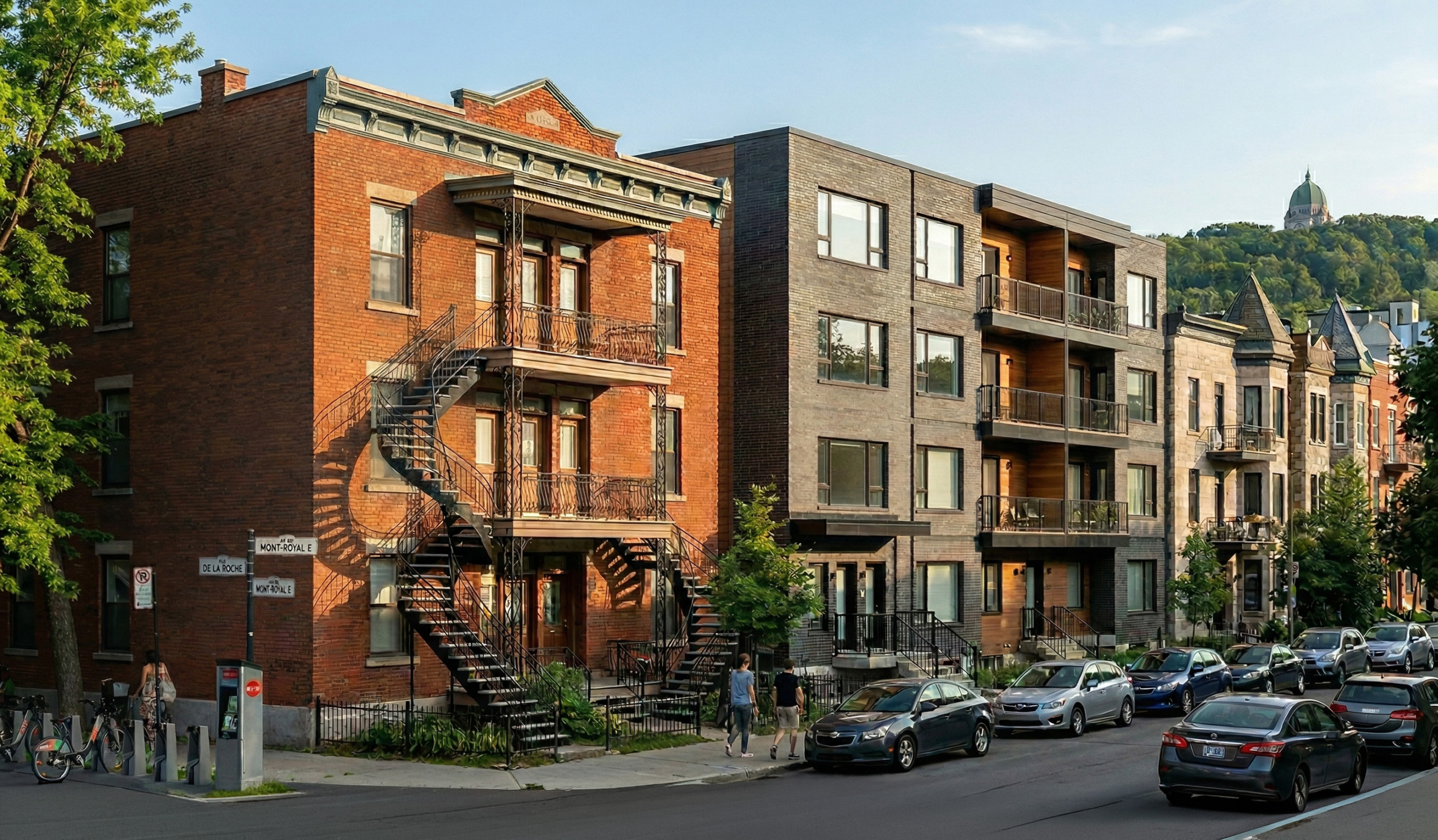
In Montreal, the word condo is often used as a catch-all term. However, behind this label are two very different legal realities: divided co-ownership and undivided co-ownership.
This distinction is far from minor. It directly impacts your financing, rental flexibility, resale potential, and even your day-to-day experience as an owner.
Key takeaway: if you are unsure about the type of co-ownership, confirm it before submitting an offer.
Divided Co-ownership
Divided co-ownership is the most common model. In this framework, each co-owner holds exclusive ownership of their unit (their “fraction”), along with a share of the building’s common areas. Each unit has its own cadastral designation and is individually registered in the land registry.
The legal structure is governed by a declaration of co-ownership, which outlines the building’s rules, the rights and obligations of co-owners, and the terms governing the use of private and common portions. Management is handled by a syndicate of co-owners, responsible for administration and maintaining the contingency fund.
From a financing perspective, divided co-ownership is more accessible. If a buyer qualifies for insured financing, a minimum down payment of 5% may be sufficient. This accessibility also benefits resale, as it opens the property to a broader pool of buyers.
Renting units is generally permitted, subject to any restrictions outlined in the declaration of co-ownership.
However, careful attention should be paid to elements such as condo fees, the financial health of the syndicate, and the adequacy of the contingency fund, as these factors can influence both the value and long-term viability of the investment.
Undivided Co-ownership
In undivided co-ownership, co-owners collectively hold ownership of the entire property, without a cadastral division of units. Each buyer owns a share of the building, typically accompanied by an exclusive usage right to a specific portion, governed by an undivided co-ownership agreement.
Similar to the declaration in divided co-ownership, this agreement defines the rules between co-owners, including occupancy, cost-sharing, and decision-making processes.
Financing is a key differentiator. Financial institutions generally require a minimum down payment of 20%, and financing options are more limited. Mortgage loan insurance is typically not available. This also affects resale, as the pool of potential buyers is smaller.
Contrary to popular belief, undivided co-ownership is not always associated with lower purchase prices. In sought-after areas such as Outremont or Westmount, property values can be comparable to those of divided co-ownership.
Lastly, rentals are often restricted, or even prohibited, depending on the terms of the agreement, and building management relies heavily on close collaboration between co-owners.
Conclusion
Divided and undivided co-ownership reflect two distinct legal and financial frameworks. Choosing between them should be based on your objectives, financial capacity, and risk tolerance.
A thorough review of the governing documents, whether the declaration of co-ownership or the undivided agreement—is essential to making an informed decision.
Thinking of buying or selling a co-ownership property? Our team supports you at every step to maximize your investment and secure your transaction. Reach out for a strategy tailored to your situation and current market conditions.
CONTACT US


Book an appointment
Schedule your first meeting with a broker from our team today. During this free consultation, we will assess the value of your property.
Free buyer consultation
Meet with a broker from our team to discuss your real estate project.
We have the tools, contact us to get them
Postulate
Request a free home evaluation
Find out your home’s worth as of today.
Information request
Contact us to learn more about selling your house with the Bardagi team.
Learn more
Contact us to learn more about selling your house with the Bardagi team.
Planning a visit
Free buyer consultation
Meet with a broker from our team to discuss your real estate project.